

Did you know the global food industry creates nearly one-third of all human-made greenhouse gas emissions? This surprising fact shows how our dinner choices shape the entire planet every single day. Changing how we consume food can improve your personal vitality and the earth’s future at the same time.
Exploring sustainable healthy eating plans helps you find a lifestyle balance that feels right for your home. It is about more than just counting calories or checking labels. It is a way to respect your physical needs while protecting our precious natural resources for future generations.
Many people now look for holistic nutrition guides to simplify this rewarding transition. These resources bridge the gap between personal wellness and eco-friendly living practices. By choosing local and seasonal ingredients, you nourish your spirit and support a greener world for everyone.
Key Takeaways
- Understand the link between diet and environmental health.
- Boost your energy levels with fresh, whole food sources.
- Reduce your carbon footprint through mindful grocery shopping.
- Discover the benefits of supporting local farmers and markets.
- Learn how seasonal ingredients improve flavor and nutrient density.
- Balance mental clarity with ethical consumption habits.
Understanding What Makes an Eating Plan Truly Sustainable
Sustainable eating plans are multifaceted, influencing not only our personal well-being but also the health of the environment around us. This dual impact underscores the importance of adopting eating habits that are both nutritious and environmentally conscious.
The Connection Between Personal Health and Environmental Health
The food choices we make have a direct impact on our health and simultaneously affect the environment. Eco-friendly meal plans are designed to promote both personal well-being and environmental sustainability. By choosing nutritious plant-based diets, individuals can reduce their risk of chronic diseases while also contributing to a reduction in greenhouse gas emissions and the conservation of natural resources.
Research has shown that diets rich in fruits, vegetables, and whole grains not only improve individual health outcomes but also have a lower environmental footprint compared to diets heavy in processed and animal-based foods.
Core Principles of Holistic Nutrition and Sustainability
Holistic nutrition focuses on the interconnectedness of personal health, environmental health, and the social context of eating. Key principles include:
- Emphasizing whole, minimally processed foods
- Choosing foods that are locally sourced and in season
- Reducing food waste through mindful consumption and planning
- Supporting sustainable agriculture practices
By adhering to these principles, individuals can create eating plans that are not only beneficial for their health but also sustainable for the planet.
Benefits for Your Body, Mind, and Planet
Adopting a sustainable eating plan can have numerous benefits. For the body, it means improved nutrition and a reduced risk of chronic diseases. For the mind, it can lead to a greater sense of well-being and connection to the food one eats. For the planet, it contributes to environmental conservation, reduced pollution, and the preservation of biodiversity.
By making informed choices about the food we eat, we can nourish our bodies, support our mental health, and play a role in protecting the environment. This holistic approach to eating is at the heart of creating a more sustainable future.
Step 1: Assess Your Current Eating Habits and Set Clear Goals
Assessing your eating habits is the foundational step in creating a more sustainable eating plan. This initial assessment allows you to understand your current dietary practices, identify areas for improvement, and set realistic goals for adopting more sustainable eating habits.
Track Your Food Intake for Seven Days
To get a clear picture of your eating habits, start by tracking your food intake for seven days. This involves keeping a food journal where you record everything you eat and drink.
What to Record in Your Food Journal
In your food journal, make sure to note down:
- The type of food and beverages consumed
- Portion sizes
- The time of day you eat
- How you feel before and after eating
- Any emotional triggers that might influence your eating
This detailed record will help you identify patterns in your eating habits.
Identifying Patterns and Problem Areas
After a week, review your food journal to identify any patterns or problem areas. Look for:
- Overconsumption of certain food groups
- Skipping meals or going too long without eating
- Eating in response to emotional states
Recognizing these patterns is the first step towards making positive changes.

Evaluate Your Environmental Food Footprint
Understanding the environmental impact of your food choices is crucial for adopting sustainable eating practices. Consider the following factors:
- The origin of your food: locally sourced or transported from afar?
- The type of food: plant-based or animal-based?
- Food packaging: is it minimal, recyclable, or excessive?
By evaluating these factors, you can make more informed choices that reduce your environmental footprint.
Define Your Personal Health and Sustainability Goals
With a clear understanding of your current eating habits and their environmental impact, you can now set specific, achievable goals. Consider what you want to achieve through your clean eating programs and balanced meal prep. Your goals might include:
- Increasing your consumption of plant-based meals
- Reducing food waste by planning your meals
- Incorporating more locally sourced foods into your diet
Setting clear goals will guide your journey towards more sustainable eating practices.
Step 2: Design Your Sustainable Healthy Eating Plans
Designing a sustainable healthy eating plan is a crucial step towards nourishing both your body and the planet. This involves making conscious food choices that not only benefit your health but also contribute to environmental sustainability.
Shift Toward Nutritious Plant-Based Diets
Adopting a plant-based diet is a significant step towards a more sustainable eating plan. Plant-based diets tend to have a lower environmental impact compared to diets heavy in animal products.
Incorporating Legumes, Nuts, and Seeds
Legumes, nuts, and seeds are not only rich in nutrients but also versatile ingredients that can be incorporated into a variety of dishes. They are excellent sources of protein, fiber, and healthy fats.
- Legumes such as lentils and chickpeas are great in soups and stews.
- Nuts and seeds can be used as snacks or added to salads for extra crunch.
Balancing Plant and Animal Proteins
For those who are not ready to adopt a fully plant-based diet, balancing plant and animal proteins is a viable alternative. This approach allows for flexibility while still reducing the overall environmental footprint.
| Protein Source | Environmental Impact | Nutritional Benefits |
|---|---|---|
| Legumes | Low | High in fiber and protein |
| Nuts and Seeds | Low to Moderate | Rich in healthy fats and protein |
| Animal Proteins | Moderate to High | High in protein and certain nutrients |
Choose Seasonal, Local, and Organic Food Recipes
Choosing seasonal, local, and organic foods not only supports local farmers but also reduces the carbon footprint associated with food transportation and production.
Benefits of Seasonal Eating:
- Freshness and flavor
- Supports local economy
- Reduces environmental impact
Build Balanced Meal Prep Around Whole Foods
Whole foods should form the foundation of your meal prep. They are rich in nutrients and fiber, and tend to be more filling, making it easier to maintain a balanced diet.
Creating a Weekly Meal Template
Planning your meals in advance can help ensure you’re eating a balanced diet while also reducing food waste.
Sample Weekly Meal Template:
- Monday: Quinoa salad with roasted vegetables
- Tuesday: Lentil soup with whole grain bread
- Wednesday: Grilled chicken with roasted sweet potatoes and green beans
Portion Planning for Optimal Nutrition
Portion planning is crucial for maintaining optimal nutrition. It helps in avoiding overeating and ensures that you’re getting the right amount of nutrients.
By following these guidelines, you can create a sustainable healthy eating plan that not only benefits your health but also contributes to a more sustainable food system.
Step 3: Master Eco-Friendly Meal Plans and Shopping
As we progress on our journey to sustainable eating, it’s essential to focus on eco-friendly meal planning and shopping strategies. This step is crucial in reducing our environmental footprint while nourishing our bodies.
Create a Green Living Meal Ideas Shopping List
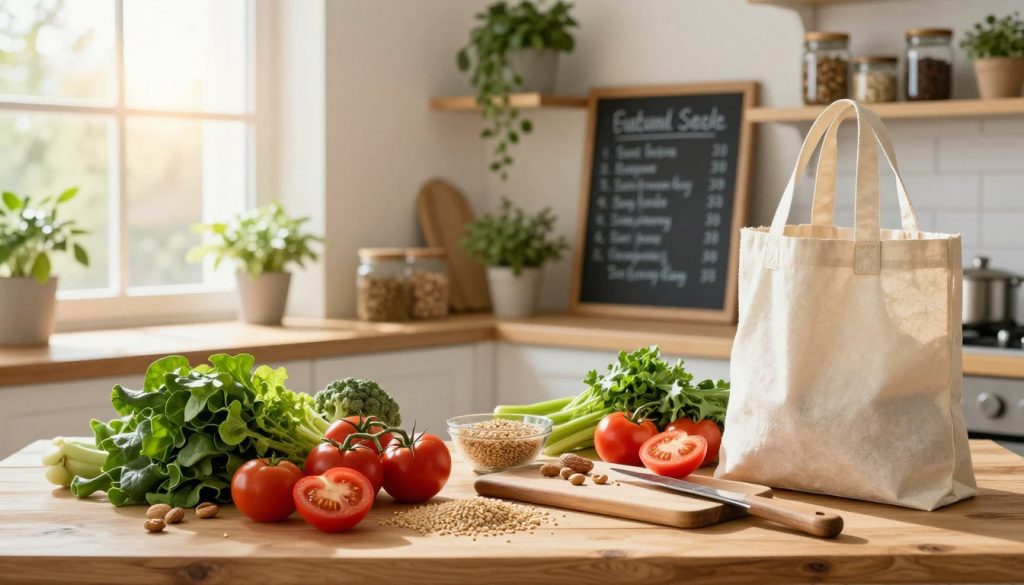
Creating a shopping list inspired by green living meal ideas is the first step towards eco-friendly meal planning. Start by planning your meals around seasonal produce to reduce transportation emissions and support local farmers. Consider incorporating plant-based recipes that are not only healthy but also environmentally friendly.
When making your list, prioritize whole foods over processed ones. Whole foods tend to have less packaging and are often more nutritious. You can also include leftovers in your meal plans to minimize food waste.
Navigate Farmers Markets and Local Food Co-ops
Farmers markets and local food co-ops are excellent places to find fresh, locally sourced produce. They not only provide an opportunity to support the local economy but also help in reducing the carbon footprint associated with long-distance food transportation.
When shopping at farmers markets, engage with the farmers to understand their farming practices. Many farmers are now adopting sustainable practices, and their produce can be a great addition to your sustainable healthy eating plans.
Understand Organic and Sustainable Food Labels
Understanding the various labels associated with organic and sustainable foods can be confusing. However, it’s an important step in making informed choices.
Decoding Certification Symbols
Certification symbols like USDA Organic and Non-GMO Project Verified can guide your purchasing decisions. The USDA Organic label ensures that the produce is grown without synthetic pesticides or fertilizers, while the Non-GMO Project Verified label indicates that the product has been tested for genetically modified organisms.
Budget-Friendly Sustainable Shopping Tips
Sustainable shopping doesn’t have to be expensive. Buying in bulk, planning meals around what’s on sale, and shopping at local farmers markets can make eco-friendly meal plans more affordable. Additionally, considering imperfect produce can reduce waste and save money.
By implementing these strategies, you can enjoy healthy, sustainable meals without breaking the bank.
Step 4: Implement Clean Eating Programs with Meal Prep
Effective meal preparation is the backbone of any successful clean eating program. By dedicating time to planning and preparing your meals, you can ensure that you’re nourishing your body with wholesome foods while minimizing waste and saving time during the week.
Set Up Your Weekly Batch Cooking Routine
Batch cooking is a game-changer for those looking to adopt a clean eating lifestyle. It involves preparing large quantities of food at once, which can then be portioned out for the week. This approach not only saves time but also helps in reducing food waste.
Preparing Grains, Proteins, and Vegetables in Advance
Start by identifying the staple ingredients in your diet, such as grains, proteins, and a variety of vegetables. Cooking these in bulk at the beginning of the week can provide a solid foundation for your meals.
- Cook a large batch of brown rice or quinoa on the weekend.
- Grill or bake proteins like chicken, salmon, or tofu.
- Roast a variety of vegetables to use in salads or as sides.
Time-Saving Kitchen Tools and Techniques
Investing in the right kitchen tools can significantly reduce your meal prep time. Consider using a slow cooker for stews or chili, or a food processor to quickly chop vegetables.
Essential Tools:
- Slow Cooker
- Food Processor
- Instant Pot
Store Foods to Minimize Waste and Maximize Nutrition
Proper food storage is crucial for maintaining the freshness and nutritional value of your prepped meals. Use airtight containers to store grains, proteins, and vegetables, and keep them in the refrigerator or freezer as appropriate.
As Michael Pollan once said, “The way we eat is changing, and it’s changing in ways that are both good and bad.” Proper meal prep and storage can help tip the balance towards the good.
Adapt Your Plans for Seasonal Ingredient Changes
One of the key principles of clean eating is using seasonal and locally sourced ingredients. As the seasons change, so too should your meal plans. Stay flexible and adapt your recipes to incorporate what’s fresh and available.
- Visit your local farmer’s market to see what’s in season.
- Adjust your meal plans based on seasonal produce.
- Experiment with new recipes that feature seasonal ingredients.
Step 5: Practice Mindful Eating to Nourish Your Mind
Nourishing your mind is just as important as nourishing your body, and mindful eating is the key to achieving this balance in your sustainable eating plans. By being more mindful of our eating habits, we can develop a healthier relationship with food, reduce unnecessary consumption, and truly enjoy the process of eating.
Mindful eating is about paying attention to the experience of eating and drinking, both physically and emotionally. It’s about noticing the colors, smells, textures, flavors, and temperatures of our food, as well as the sensations of hunger and fullness. This practice encourages us to eat slowly and savor our food, making the experience more enjoyable and satisfying.
Develop Awareness Around Your Eating Habits
To practice mindful eating, it’s essential to develop awareness around your eating habits. This involves understanding why you eat, how you eat, and what you eat. By becoming more aware of your eating habits, you can identify patterns and triggers that may be influencing your food choices.
Eating Without Distractions
One of the first steps in developing this awareness is to eat without distractions. This means turning off the TV, putting away your phone, and eating in a calm, comfortable environment. By doing so, you can focus on your food and the experience of eating, rather than being distracted by other stimuli.
Recognizing True Hunger Versus Emotional Triggers
Another crucial aspect is recognizing the difference between true hunger and emotional triggers. Often, we eat not because we’re hungry, but because we’re stressed, bored, or emotional. By becoming more aware of our emotional state and the sensations in our body, we can learn to distinguish between physical hunger and emotional hunger.
Cultivate Gratitude for Your Food and Its Sources
Cultivating gratitude for your food and its sources is also a vital part of mindful eating. This involves appreciating the people who grew, prepared, and shared your food, as well as the natural resources that were used to produce it. By focusing on the interconnectedness of food production and consumption, you can develop a deeper appreciation for the food you eat and the people who make it possible.
To cultivate gratitude, you can try practices such as saying grace before meals, reflecting on the journey of your food from farm to table, or simply taking a moment to appreciate the flavors and textures of your food.
Build a Positive Relationship with Food and Your Body
Finally, mindful eating is about building a positive relationship with food and your body. This involves letting go of guilt and shame around food choices and instead, focusing on nourishing your body and enjoying the process of eating. By adopting a more positive and compassionate attitude towards food and your body, you can create a more balanced and fulfilling relationship with food.
By incorporating these mindful eating practices into your daily routine, you can enhance the benefits of your holistic nutrition guides and nutritious plant-based diets, leading to a more sustainable and enjoyable eating experience.
Conclusion
Adopting sustainable healthy eating plans is a significant step towards nourishing both your body and the planet. By understanding the connection between personal health and environmental sustainability, you can make informed choices that benefit your well-being and contribute to a healthier environment.
By incorporating green living meal ideas into your daily routine, you can reduce your environmental footprint while enjoying nutritious and delicious meals. Every step counts, from assessing your current eating habits to designing sustainable meal plans and practicing mindful eating.
Start your journey today by making small changes that can have a lasting impact. Explore local farmers’ markets, choose seasonal and organic produce, and develop a positive relationship with food. Together, we can create a more sustainable food culture that benefits both individuals and the planet.