
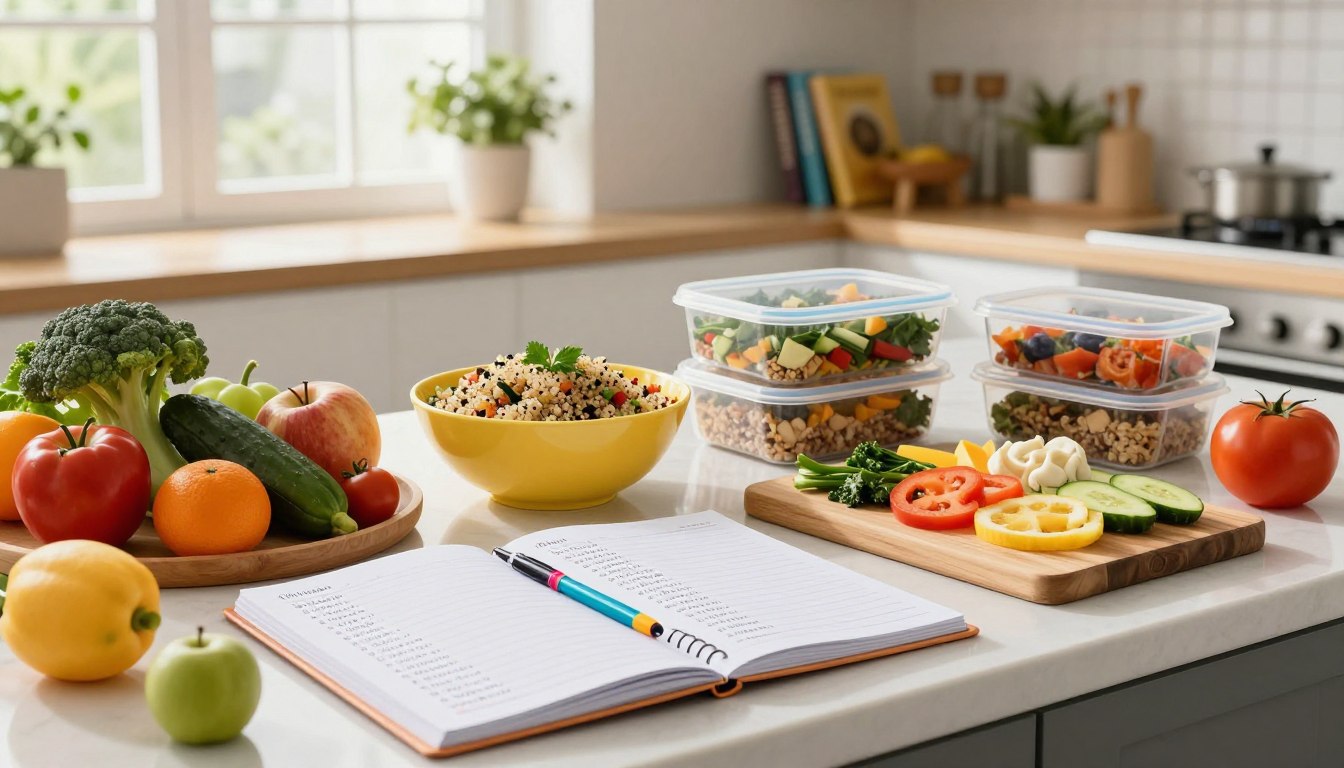
Did you know that the average American spends over 240 hours every year just deciding what to eat? This constant decision fatigue often leads to quick, less nutritious choices that can impact your long-term wellness. Organizing your kitchen routine through weekly meal planning for health can change your relationship with food forever.
When you prepare ahead, you take control of your ingredients and your schedule. It’s not just about saving money; it’s about making better nutrition the easiest choice in your busy life. You deserve to enjoy delicious dishes without the 5 PM scramble.
In this guide, we will explore how to streamline your grocery shopping and prep sessions. You will discover simple strategies to keep your body fueled without the daily stress of cooking from scratch. Let’s transform your kitchen into a hub of efficiency and wellness.
Key Takeaways
- Minimize daily decision fatigue regarding food choices.
- Improve the overall quality and variety of your nutrition.
- Save significant time and energy during busy weeknights.
- Reduce unnecessary food waste and grocery expenses.
- Build a sustainable and stress-free eating routine.
- Empower yourself to reach long-term wellness goals easily.
Why Weekly Meal Planning Transforms Your Health
Adopting a weekly meal planning routine can significantly transform your health and wellbeing. By taking control of your meal planning, you can make healthier choices, reduce food waste, and save time and money. This simple yet effective strategy can have a profound impact on your overall health.
Save Time and Money Every Week
One of the most significant benefits of weekly meal planning is the ability to save time and money. By planning your meals in advance, you can avoid last-minute takeout or dining out, which can be both expensive and unhealthy.
Eliminate Daily Decision Fatigue
Daily decision fatigue can be overwhelming, especially when it comes to deciding what to eat. Meal planning helps eliminate this stress by providing a clear plan for the week ahead. With a plan in place, you’ll spend less time each day thinking about what to cook, allowing you to focus on other important tasks.
Reduce Grocery Costs with Strategic Shopping
By planning your meals around what’s on sale at the grocery store, you can significantly reduce your grocery bills. Strategic shopping involves making a list based on your meal plan and sticking to it, avoiding impulse buys that can drive up costs.
Make Better Nutritional Choices Consistently
Weekly meal planning enables you to make better nutritional choices consistently. By planning your meals, you can ensure that you’re getting a balanced diet and avoiding unhealthy foods.
Control Portion Sizes and Calorie Intake
Controlling portion sizes is crucial for maintaining a healthy weight and ensuring you’re not overeating. Meal planning allows you to prepare meals in the right quantities, helping you manage your calorie intake more effectively.
Ensure Balanced Macronutrients
A well-planned meal should include a balance of macronutrients: proteins, carbohydrates, and fats. By considering this balance when planning your meals, you can ensure that you’re fueling your body with the nutrients it needs to function optimally.
Minimize Food Waste and Kitchen Stress
Meal planning also helps minimize food waste by ensuring that you use up all the ingredients you buy. This not only saves you money but also reduces the stress of managing a kitchen, as you’ll know exactly what you need to prepare for the week ahead.
Step-by-Step Guide to Weekly Meal Planning for Health
Transform your eating habits with a simple, step-by-step meal planning guide. By following these straightforward steps, you can achieve a healthier lifestyle and make nutritious meal planning a sustainable part of your routine.
Assess Your Weekly Schedule and Health Goals
Before diving into meal planning, it’s essential to understand your weekly schedule and health objectives. This assessment will help you create a realistic and achievable meal plan.
Identify Busy Days and Available Cooking Time
Start by identifying the days when you’re busiest and the times when you can dedicate to cooking. This will help you plan meals that are quick to prepare on busy days and more elaborate on days when you have more time.
- List down your daily activities and commitments.
- Note the days when you have less time for cooking.
- Identify meals that can be prepared in advance or cooked quickly.
Set Realistic Nutritional Targets
Setting realistic nutritional targets is crucial for a successful meal plan. Consider your dietary needs, preferences, and health goals.
Nutritional targets should be:
- Specific: Clearly define what you want to achieve.
- Achievable: Ensure your goals are realistic based on your lifestyle.
- Relevant: Align your nutritional goals with your overall health objectives.
- Time-bound: Set deadlines for achieving your nutritional targets.
Choose Nutritious Recipes and Build Your Menu
With your schedule and nutritional targets in mind, the next step is to choose nutritious recipes and build your menu. Focus on balanced meal planning that includes a variety of foods.
Select Balanced Meal Planning Options
Opt for recipes that offer a balance of proteins, healthy fats, and complex carbohydrates. Consider meals that are rich in vitamins and minerals.
Some balanced meal ideas include:
- Grilled chicken with roasted vegetables and quinoa.
- Salmon with brown rice and steamed broccoli.
- Lentil soup with whole-grain bread.
Plan for Breakfast, Lunch, Dinner, and Snacks
A comprehensive meal plan should include all meals and snacks. Ensure that each meal is nutritious and contributes to your overall health goals.
| Meal | Example |
|---|---|
| Breakfast | Oatmeal with fruits and nuts |
| Lunch | Grilled chicken salad with avocado |
| Dinner | Baked salmon with roasted vegetables |
| Snacks | Carrot sticks with hummus |
Create a Comprehensive Shopping List
Once you have your menu, create a shopping list to ensure you have all the necessary ingredients. Organize your list by food categories to make shopping more efficient.
Organize by Food Categories
Divide your shopping list into categories such as produce, dairy, proteins, and grains. This will help you navigate the store more efficiently.
Check Your Pantry First
Before you go shopping, check your pantry to avoid buying duplicate items. Take stock of what you already have and plan your meals around those ingredients.
Prep Ingredients for the Week Ahead
Prepping ingredients in advance can save time during the week and make cooking easier. Focus on tasks that can be done ahead of time.
Wash and Chop Vegetables
Washing and chopping vegetables in advance can make meal preparation quicker. Store them in airtight containers in the refrigerator.
Cook Proteins and Grains in Batches
Cooking proteins and grains in batches can be an efficient way to prepare meals. Use a slow cooker or cook in bulk to save time.
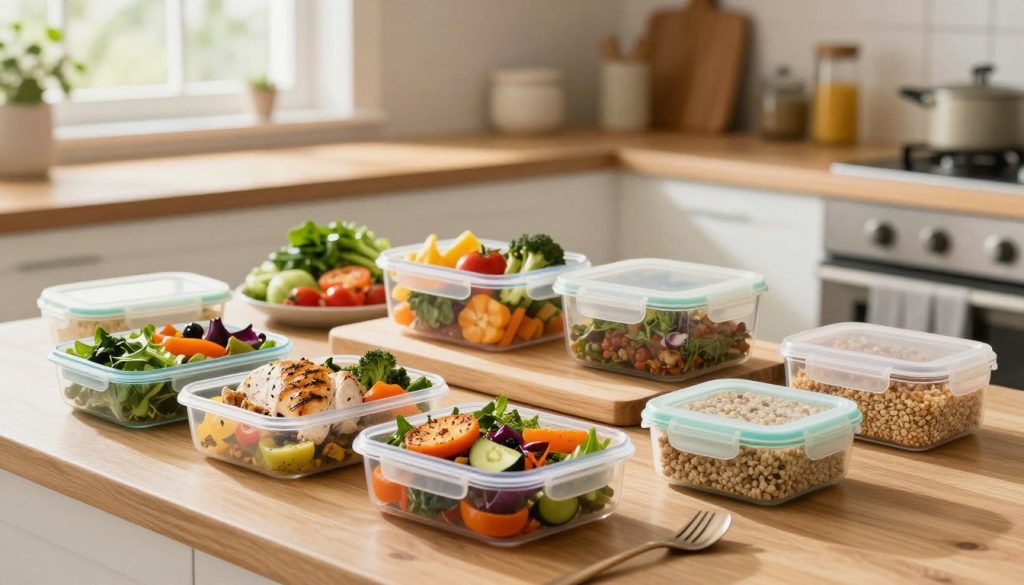
Store and Label Your Prepared Meals
Proper storage and labeling of prepared meals are crucial for maintaining freshness and ensuring you know what you have. Use airtight containers and labels to keep track of your meals.
Practical Meal Planning Tips for Long-Term Success
Long-term meal planning success hinges on a combination of preparation, flexibility, and the right strategies. By incorporating a few key practices into your routine, you can maintain a healthy and varied diet without feeling overwhelmed.
Healthy Meal Prep Ideas for Beginners
For those new to meal prep, starting small and simple is crucial. Here are a few tips to get you started:
- Start with Three Days Instead of Seven: Begin with planning meals for just three days to get a feel for the process.
- Focus on Mix-and-Match Components: Prepare ingredients that can be mixed and matched to create different meals, reducing repetition and boredom.
Easy Meal Prep Recipes to Rotate Weekly
Having a repertoire of easy meal prep recipes can simplify your weekly planning. Consider the following ideas:
- One-Pan Protein and Vegetable Combinations: These are not only easy to prepare but also reduce cleanup.
- Mason Jar Salads and Overnight Oats: Perfect for quick, healthy meals that can be prepared in advance.
Building Balanced Meals with the Plate Method
The plate method is a simple way to ensure your meals are balanced. Here’s how to do it:
- Half Plate Vegetables and Fruits: Fill half your plate with a variety of colorful vegetables and fruits.
- Quarter Plate Lean Proteins: Allocate a quarter of your plate to lean proteins like poultry, fish, or legumes.
- Quarter Plate Whole Grains: Use the remaining quarter for whole grains like brown rice, quinoa, or whole wheat.
Smart Storage and Container Systems
Effective meal prep also involves smart storage. Invest in a good set of containers that are airtight, microwave-safe, and easy to label. This will help keep your meals fresh and make them easy to identify.
Overcoming Meal Planning Obstacles and Staying Consistent
Staying on track with meal planning requires overcoming common obstacles that can derail even the best intentions. Whether you’re aiming for meal planning for weight loss or simply trying to eat healthier, consistency is key.
Adapting Meal Planning for Weight Loss Goals
When it comes to weight loss, meal planning can be a powerful tool. It helps in controlling calorie intake and ensuring that you’re fueling your body with the right foods.
Calculate Your Calorie Needs
The first step in adapting meal planning for weight loss is to calculate your daily calorie needs. This involves considering factors such as age, gender, weight, height, and activity level. Online calorie calculators can be a useful resource for this step.
Pre-Portion Meals for Better Control
Once you know your calorie needs, pre-portioning your meals can help you stick to your goals. This involves dividing your daily calorie allowance into meals and snacks, making it easier to maintain control over your intake.
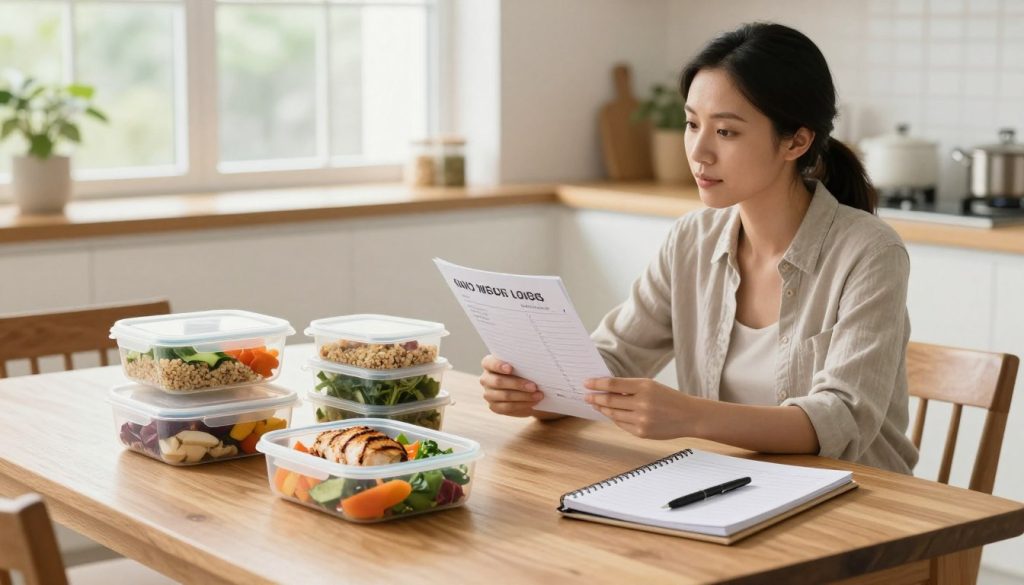
Managing Different Family Preferences
Meal planning can become complicated when dealing with different tastes and dietary preferences within a family. However, there are strategies to make it more manageable.
Create Customizable Base Meals
One effective strategy is to create base meals that can be customized according to individual preferences. For example, a basic stir-fry can be adapted with different proteins or vegetables to suit various tastes.
Involve Family Members in Planning
Involving family members in the meal planning process can also help. By asking for their input and preferences, you can create meals that everyone will enjoy, reducing the likelihood of mealtime conflicts.
Maintaining Flexibility When Life Gets Busy
Life is unpredictable, and meal plans can sometimes go awry. Maintaining flexibility is crucial to staying on track.
Keep Emergency Healthy Options Available
Having healthy emergency options on hand can be a lifesaver. This could include frozen meals, canned goods, or quick-to-prepare ingredients that can be used to whip up a healthy meal in no time.
Plan for One or Two Leftover Nights
Another strategy is to plan for one or two leftover nights per week. This not only reduces food waste but also saves time during busy evenings.
Preventing Meal Prep Boredom and Burnout
To keep meal planning interesting and prevent boredom, it’s essential to mix things up.
Rotate Different Cuisines Weekly
Rotating different cuisines each week can add variety to your meals. Whether it’s Italian, Mexican, or Asian cuisine, exploring different culinary traditions can keep meal times exciting.
Try One New Recipe Each Week
Finally, making it a point to try one new recipe each week can keep your meal planning fresh and engaging. It not only introduces new flavors and techniques but also prevents the monotony of eating the same meals repeatedly.
Conclusion
By incorporating weekly meal planning for health into your routine, you can transform your eating habits and overall well-being. The steps outlined in this article provide a clear path to saving time, reducing kitchen stress, and making better nutritional choices.
As you begin your meal planning journey, remember to assess your schedule and health goals, choose nutritious recipes, and prep ingredients in advance. With consistent practice, weekly meal planning for health will become second nature, helping you achieve your health objectives.
Start planning your meals today and experience the benefits of a healthier, more balanced diet. With the right strategies and mindset, you can maintain a consistent and enjoyable meal planning routine that suits your lifestyle.