
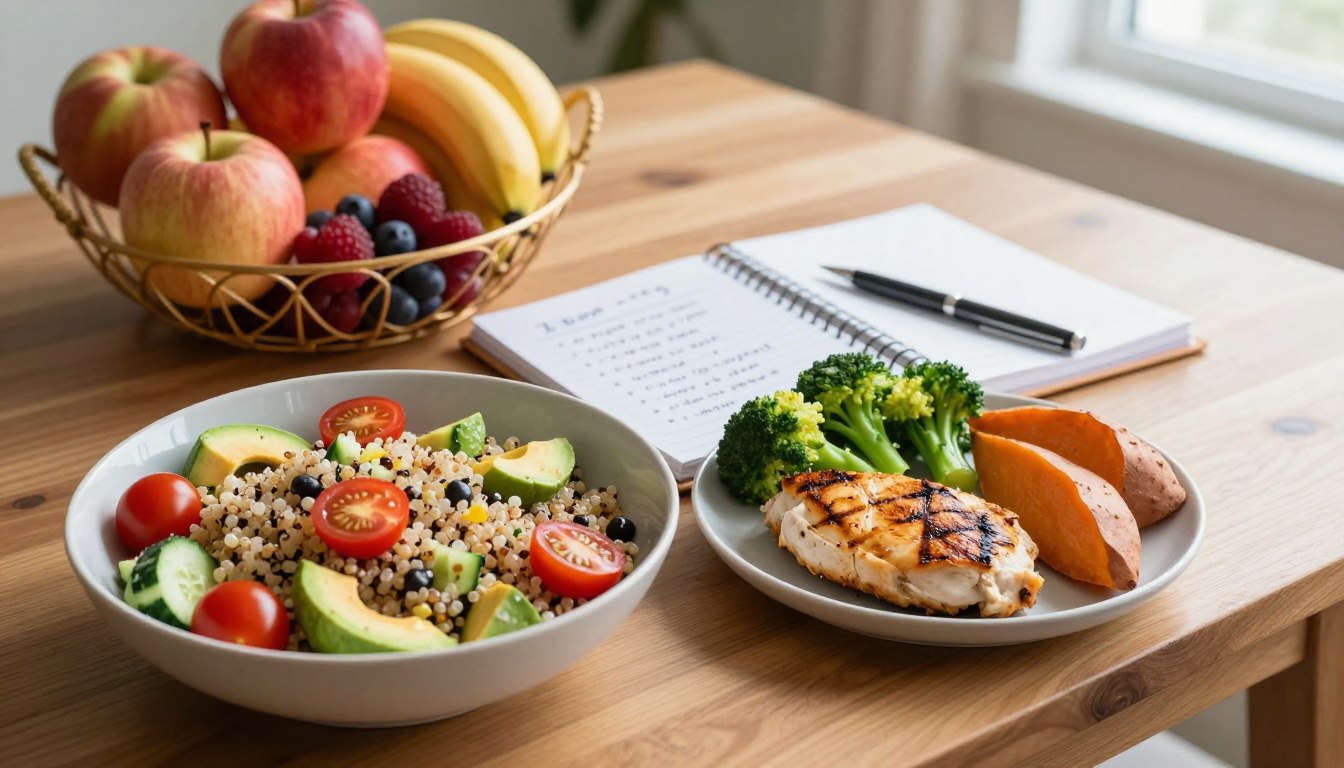
Poor eating habits cause nearly 45% of all deaths from heart disease in the United States. This staggering statistic shows why healthy eating is a vital necessity for your long-term wellness. When you fuel your body correctly, you unlock energy levels you never thought possible.
A structured nutrition plan delivers the essential vitamins and minerals your cells require to function optimally. It is about more than just the numbers on a scale; it is about feeling strong and clear-headed every single day. Taking control of your plate is the first step toward a vibrant life.
You deserve to feel your best, and starting today makes a massive difference for your future self. Following a balanced diet helps you stabilize energy and reduces the risk of chronic illness. Let’s explore how simple changes lead to massive improvements for your health.
Key Takeaways
- Boost your daily energy and vitality levels.
- Lower the risk of heart disease and chronic illness.
- Support your cardiovascular health naturally through food.
- Improve mental focus and cognitive clarity.
- Provide vital nutrients to every cell in your body.
- Maintain a stable and healthy weight over time.
Understanding What Makes a Balanced Diet Meal Plan
Creating a balanced diet meal plan involves understanding the fundamental components that fuel our bodies. A well-structured meal plan is not just about eating healthy; it’s about ensuring that your body gets all the necessary nutrients it needs to function optimally.
The Five Essential Food Groups You Need Daily
A balanced diet typically includes a variety of foods from the five essential food groups: fruits, vegetables, proteins, whole grains, and dairy products.
- Fruits and vegetables provide essential vitamins, minerals, and fiber.
- Proteins are crucial for building and repairing tissues in the body.
- Whole grains offer complex carbohydrates, fiber, and various nutrients.
- Dairy products are rich in calcium, necessary for bone health.
Macronutrients and Micronutrients Explained Simply
Understanding the difference between macronutrients and micronutrients is vital. Macronutrients, which include carbohydrates, proteins, and fats, are needed in larger amounts to provide energy and support growth. Micronutrients, comprising vitamins and minerals, are required in smaller amounts but are equally crucial for preventing deficiencies and supporting bodily functions.
Calculating Your Daily Caloric Needs
To create a balanced diet meal plan, you need to calculate your daily caloric needs, which depend on factors such as age, gender, weight, height, and activity level. Using an online calorie calculator or consulting with a nutritionist can help determine your specific caloric requirements.
Assessing Your Current Eating Habits and Nutrition Goals
The journey to a healthier you begins with understanding what you’re currently eating. “You can’t manage what you don’t measure,” a principle that applies perfectly to your dietary habits. By assessing your current eating habits, you can identify areas for improvement and set realistic goals for a healthier lifestyle.
How to Track Your Food Intake Effectively
Tracking your food intake is a crucial step in understanding your eating habits. It involves recording everything you eat and drink over a period of time. Use a food diary or a mobile app to log your meals and snacks. This will help you identify patterns, such as overeating or skipping meals, and provide insights into your nutritional intake.
When tracking your food intake, be as detailed as possible. Include portion sizes and the time of day you eat. This information will be invaluable when assessing your nutritional gaps and planning your meals.
Identifying Nutritional Gaps in Your Diet
Once you have a record of your food intake, you can start identifying nutritional gaps. Compare your diet to the recommended daily intake of various food groups. Are you getting enough fruits and vegetables? Are you consuming sufficient protein? Identifying these gaps will help you plan a more balanced diet.
A balanced diet typically includes a variety of foods from all the essential groups. If you’re lacking in certain nutrients, consider incorporating supplements or alternative food sources into your diet.
Setting Realistic and Achievable Health Goals
Setting health goals is a critical step in your journey to a healthier lifestyle. Your goals should be specific, measurable, achievable, relevant, and time-bound (SMART). For example, instead of saying “I want to eat healthier,” say “I will eat at least five servings of fruits and vegetables every day for the next three months.”
“The key is not to prioritize what’s on your calendar, but to schedule your priorities.” – Stephen Covey
By setting realistic goals and tracking your progress, you can stay motivated and make sustainable changes to your diet and lifestyle.
Building Your Personalized Balanced Diet Meal Plan
Creating a balanced diet meal plan tailored to your needs is a straightforward process when broken down into manageable steps. This process involves understanding your nutritional needs, selecting the right foods, planning your meals, and establishing a daily eating schedule that works for you.
To start, it’s essential to recognize that everyone’s nutritional needs are different, influenced by factors such as age, gender, activity level, and health goals. A well-crafted meal plan takes these factors into account to provide a personalized approach to nutrition.
Step 1: Calculate Your Specific Nutrient Requirements
Calculating your specific nutrient requirements is the foundation of a balanced diet meal plan. This involves determining your daily caloric needs and the balance of macronutrients (carbohydrates, proteins, and fats) and micronutrients (vitamins and minerals) you require.
A useful approach is to use a nutrient calculator or consult with a healthcare professional to get an accurate assessment of your nutritional needs. For example, an athlete may require more protein to support muscle repair and growth, while someone with a sedentary lifestyle may need to focus on reducing their caloric intake.
| Nutrient | Recommended Daily Intake | Food Sources |
|---|---|---|
| Protein | 0.8-1.2 grams per kg of body weight | Lean meats, fish, eggs, dairy, legumes |
| Carbohydrates | 45-65% of total daily calories | Whole grains, fruits, vegetables |
| Fats | 20-35% of total daily calories | Nuts, seeds, avocados, olive oil |
Step 2: Select Nutrient-Dense Foods for Each Meal
Once you have determined your nutritional requirements, the next step is to select nutrient-dense foods for each meal. Nutrient-dense foods provide a high amount of essential vitamins, minerals, and other beneficial compounds while being relatively low in calories.
Nutrient-dense foods include: lean proteins like poultry and fish, a variety of colorful vegetables, whole grains such as quinoa and brown rice, and healthy fats found in nuts and avocados. Incorporating these foods into your diet ensures that you are getting the nutrients your body needs to function optimally.
Step 3: Design Your Weekly Meal Menu
Designing your weekly meal menu involves planning out your meals for the week ahead of time. This step helps ensure that you have a balanced intake of nutrients and can save time during the week when you’re busy.
To design your meal menu, start by planning your breakfasts, lunches, dinners, and snacks for each day of the week. Consider your schedule for the week and how much time you have available for cooking each day. You can use a meal planning app or a simple notebook to jot down your plans.
“Meal planning is a great way to ensure you’re eating healthy, balanced meals, even on the busiest days.”
Step 4: Create a Flexible Daily Eating Schedule
Creating a flexible daily eating schedule is the final step in building your personalized balanced diet meal plan. This involves deciding on the times of day you will eat your meals and snacks, taking into account your lifestyle and preferences.
A flexible eating schedule allows you to enjoy your meals without feeling too restricted, making it more likely that you will stick to your meal plan long-term. It’s also important to listen to your body’s hunger and fullness cues to adjust your portions accordingly.
By following these four steps, you can create a balanced diet meal plan that is tailored to your needs and preferences, helping you achieve your health and nutrition goals.
Mastering Portion Control for Effective Weight Management
Mastering portion control is a crucial step towards achieving effective weight management and maintaining overall health. It’s about understanding how much you should eat to meet your nutritional needs without overeating. By controlling the amount of food you consume, you can maintain a healthy weight, reduce the risk of chronic diseases, and improve your overall well-being.
Using the Plate Method for Balanced Portions
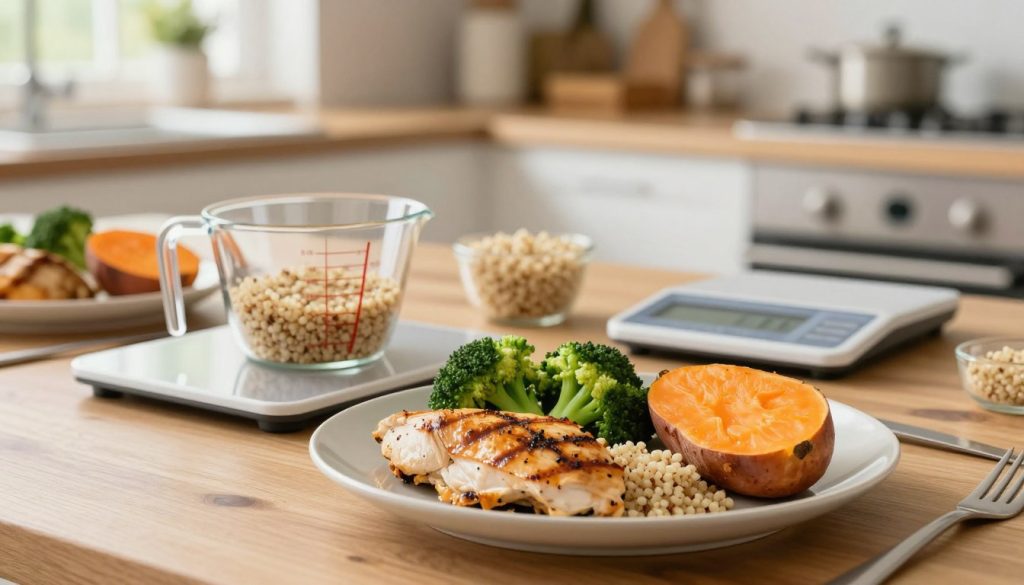
The plate method is a simple and effective way to achieve balanced portions. It involves dividing your plate into sections to ensure you’re eating the right amounts of different food groups. Here’s how you can do it:
- Fill half your plate with vegetables.
- Allocate a quarter of your plate to lean protein sources.
- Use the remaining quarter for whole grains or complex carbohydrates.
Understanding Standard Serving Sizes
Understanding standard serving sizes is essential for portion control. It helps you gauge how much you’re eating compared to the recommended amount. Here is a table that outlines standard serving sizes for common foods:
| Food Group | Standard Serving Size | Examples |
|---|---|---|
| Fruits | 1 medium fruit or 1/2 cup | Apple, banana, or berries |
| Vegetables | 1 cup raw or 1/2 cup cooked | Broccoli, carrots, or spinach |
| Protein | 3 ounces cooked | Chicken breast, salmon, or tofu |
| Grains | 1 slice or 1/2 cup cooked | Bread, rice, or pasta |
Practical Portion Control Tips When Dining Out
Dining out can be challenging when trying to control portions. However, with a few strategies, you can stay on track:
- Choose smaller portions or appetizers as your main course.
- Share a meal with someone to reduce overall intake.
- Pack away half your meal to take home before you start eating.
By implementing these strategies, you can enjoy dining out while maintaining control over your portions.
Smart Meal Planning and Prep Strategies That Save Time
In today’s fast-paced world, smart meal planning and preparation are crucial for maintaining a balanced diet. By implementing a few simple strategies, you can save time, reduce food waste, and enjoy healthy meals throughout the week.
Batch Cooking and Meal Prep for the Busy Week
Batch cooking involves preparing large quantities of a single ingredient or entire meals that can be reheated or repurposed throughout the week. This approach not only saves time but also ensures that you have healthy meals ready when you’re busy. To get started with batch cooking, identify a day when you have a few hours free, such as a weekend day, and dedicate it to cooking.
Tips for Effective Batch Cooking:
- Choose recipes that freeze well, such as soups, stews, and casseroles.
- Prepare individual portions to make reheating easier.
- Label and date everything you freeze so you know what you have and how long it’s been stored.
Creating an Efficient Grocery Shopping List
A well-organized grocery list is the backbone of successful meal planning. It helps you avoid buying unnecessary items, reduces food waste, and saves you money. To create an efficient grocery shopping list, start by planning your meals for the week, then identify the ingredients you need.
Organize your list by categories such as produce, dairy, meats, and pantry staples to make shopping faster and more efficient.
Food Storage and Kitchen Organization Hacks
Proper food storage and kitchen organization are key to maintaining the freshness of your ingredients and the efficiency of your meal prep process. Use airtight containers to store food, and keep your kitchen counters clear by organizing your utensils and appliances.
Simple Organization Tips:
- Use stackable containers to maximize storage space.
- Label your containers so you can easily identify what’s inside.
- Keep frequently used items in easy-to-reach locations.
Healthy Recipes and Meal Ideas for Every Time of Day
Incorporating healthy recipes into your daily routine can significantly enhance your overall well-being. A balanced diet meal plan is not just about cutting out unhealthy foods, but also about including a variety of nutrient-dense foods that provide the body with the necessary vitamins, minerals, and energy to function optimally.
Energizing Breakfast Recipes to Start Your Day
Breakfast is often considered the most important meal of the day, as it helps kickstart your metabolism and provides energy for the morning. Here are some energizing breakfast recipes to consider:
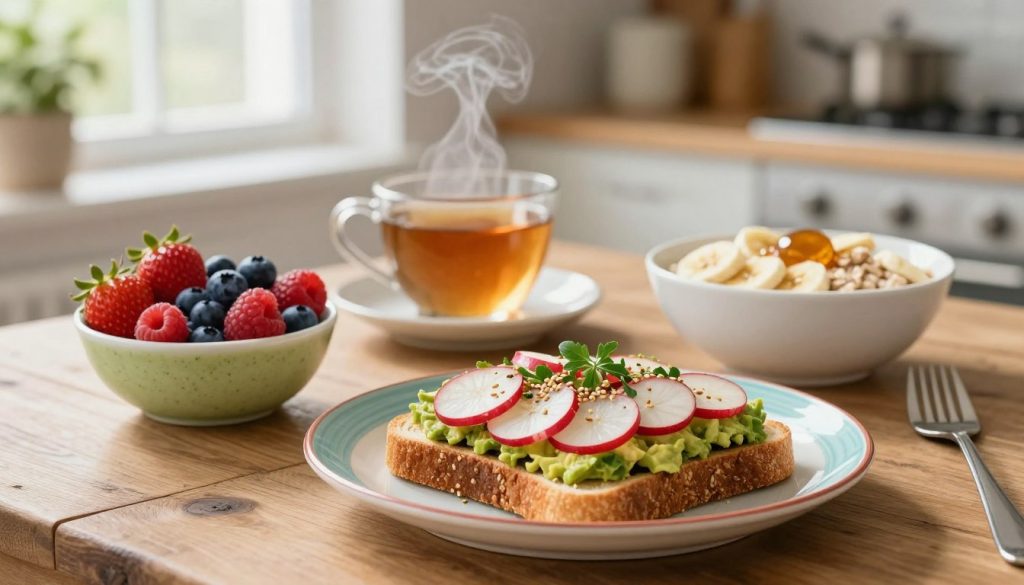
- Avocado Toast: Toasted whole-grain bread topped with mashed avocado, a fried egg, and a sprinkle of red pepper flakes.
- Overnight Oats: A mix of rolled oats, milk, and your choice of fruits and nuts, refrigerated overnight and served chilled.
- Greek Yogurt Parfait: Layered Greek yogurt, fresh berries, and granola make for a protein-packed breakfast.
Satisfying and Balanced Lunch Options
Lunchtime is an opportunity to refuel and recharge. Here are some satisfying and balanced lunch ideas:
| Lunch Option | Main Ingredients | Nutritional Benefits |
|---|---|---|
| Grilled Chicken Salad | Grilled chicken, mixed greens, cherry tomatoes, cucumber | High in protein, vitamins, and antioxidants |
| Whole-Grain Wrap | Whole-grain wrap, hummus, roasted vegetables, mixed greens | Rich in fiber, vitamins, and healthy fats |
| Quinoa Bowl | Cooked quinoa, roasted chicken, mixed vegetables, a drizzle of tahini sauce | Complete protein, rich in fiber and minerals |
Nutritious Dinner Recipes the Whole Family Will Love
Dinner is a great time to get creative with nutritious recipes that cater to everyone’s taste. Here are a few ideas:
- Baked Salmon: Salmon fillet baked with lemon, herbs, and served with roasted vegetables.
- Vegetable Stir-Fry: A colorful mix of vegetables stir-fried with a bit of oil, garlic, and ginger, served over brown rice.
- Chicken and Vegetable Skewers: Marinated chicken and vegetables grilled to perfection.
Smart Snacking Choices Between Meals
Snacking is an essential part of a balanced diet meal plan. Here are some smart snacking choices:
- Fruits and nuts: A mix of fresh fruits and nuts provides a quick energy boost.
- Veggie sticks with hummus: Carrot, celery, and cucumber sticks with a protein-rich hummus dip.
- Protein bars: Look for bars made with wholesome ingredients and minimal added sugars.
By incorporating these healthy recipes and meal ideas into your daily routine, you can maintain a balanced diet that nourishes your body and supports your overall health and well-being.
Staying Consistent with Your Nutrition Plan Long-Term
A well-planned nutrition strategy is just the beginning; consistency is key to reaping its benefits. Maintaining a consistent nutrition plan over the long term can be challenging, but with the right approach, it becomes manageable and leads to lasting health benefits.
One of the primary challenges individuals face is staying motivated and committed to their healthy eating goals. It’s essential to understand that setbacks are a normal part of the journey and should not deter you from your overall objectives.
Overcoming Common Healthy Eating Challenges
Several common challenges can hinder your progress, including cravings, social pressures, and lack of time. To overcome these obstacles, it’s crucial to develop strategies that work for you.
- Plan ahead by stocking your kitchen with nutrient-dense foods that align with your nutrition plan.
- Stay hydrated to reduce cravings and improve overall health.
- Be mindful of your eating habits and make adjustments as needed.
How to Adjust Your Plan Based on Results
Regularly assessing your progress is vital to making necessary adjustments to your nutrition plan. This involves tracking your eating habits, physical activity, and overall health markers.
If you’re not seeing the desired results, consider consulting with a healthcare professional or a registered dietitian who can provide personalized guidance.
Building Sustainable Eating Habits That Last
Developing sustainable eating habits is crucial for long-term success. This involves making gradual changes that you can maintain over time, rather than opting for quick fixes or fad diets.
Focus on incorporating a variety of whole foods into your diet and allow for flexibility in your eating plan to accommodate different situations and preferences.
By staying committed to your nutrition plan and making adjustments as needed, you can achieve your health goals and maintain a balanced diet for years to come.
Conclusion
A well-crafted balanced diet meal plan is more than just a dietary choice; it’s a pathway to overall wellness and a healthier lifestyle. By understanding your nutritional needs and making informed food choices, you can achieve your health goals and maintain a vibrant life.
As you’ve learned, creating a personalized nutrition plan involves assessing your eating habits, setting realistic goals, and mastering portion control. With smart meal planning and prep strategies, you can save time and stay on track. Incorporating healthy recipes and meal ideas into your daily routine makes healthy eating enjoyable and sustainable.
Staying consistent with your nutrition plan requires overcoming challenges and making adjustments as needed. By building sustainable eating habits, you’ll be better equipped to maintain your progress long-term. Start your journey today and discover the transformative power of a balanced diet meal plan, healthy eating, and a well-structured nutrition plan.